Get started

UGC & SEO: Why UGC is now affecting Google rankings

User-generated content is an incredibly powerful lever for trust, conversion and social proof.

With the Instagram-Google update in July 2025, UGC is now also highly relevant for search engine optimisation: Google is indexing Instagram posts from business accounts for the first time – and this opens up completely new potential for visibility, reach and long-term SEO effects.

In this article, you will learn how you can take advantage of this development – and what you should pay attention to.

SEO and its relation to content Different types of UGC and how they make SEO better Instagram-Google-Update Advantages & challenges Make your SEO more powerful by using UGC Conclusion: SEO x UGC

SEO and its relation to content

SEO stands for ‘search engine optimisation’ – measures that make content easier to find in search engines such as Google. The focus is on questions such as: What terms do users enter? What content does Google provide as a response? And how can you appear among the top results yourself?

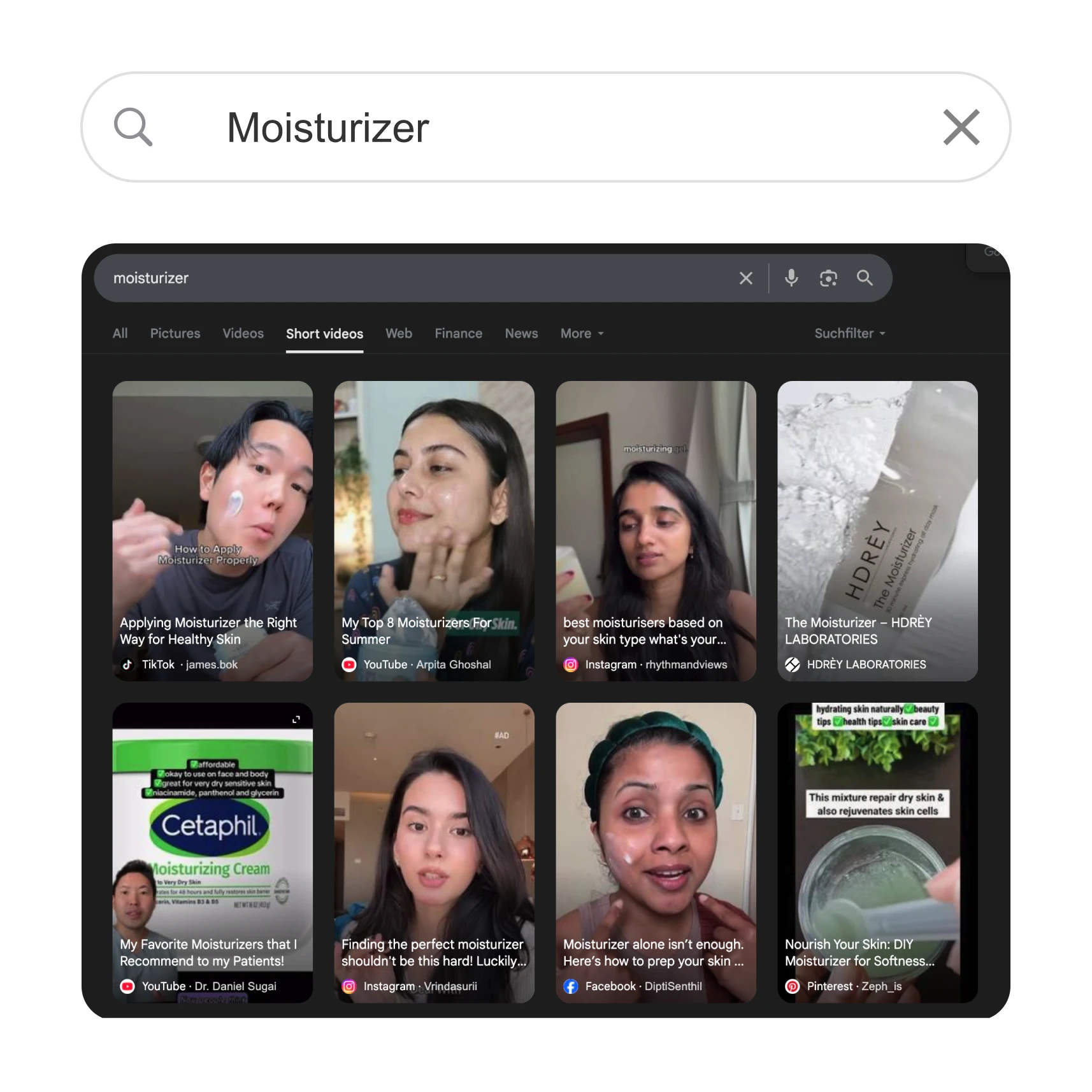
For a long time, classic text formats such as blog articles, product pages and guides dominated the SEO field. But that has changed: Google is becoming more visual and dynamic, incorporating more and more content formats – from videos and images to social media posts. This is where UGC starts to get exciting.
Different types of UGC and how they make SEO better

Not all user-generated content is automatically relevant for search engines. The decisive factors are how well it matches search queries, whether it can be indexed by Google, and whether it offers real added value.

UGC formats that are informative, visually appealing and easy to find are particularly effective for SEO:

  • Product reviews: The more specific, the better. Statements such as ‘Still going strong after six months of daily use’ or ‘Fits perfectly with shoe size 39’ provide real relevance for users – and therefore also for Google.

  • Test reports & unboxings: Particularly effective as video content in the form of TikToks, Reels or Shorts. These formats answer frequently asked questions directly from the user's perspective.

  • Tutorials, tips & comparison videos: Short-form content (e.g. Reels) on questions such as ‘Which serum works better for dry skin?’ or ‘How do I use the product correctly?’ not only generate interaction, but also serve specific search intentions.

  • Carousels with added value: step-by-step instructions, short summaries, comparisons – all of these can be usefully prepared for SEO in Instagram posts.

  • Text-based testimonials: comments under ads, captions with specific situations (‘I tested the product on a trip through Morocco’) or community posts with real stories offer emotional depth and relevant keywords at the same time.

These formats often use the same language as potential search queries: everyday, spontaneous, problem-oriented. This is precisely what makes them an exciting building block for organic visibility – even beyond social media.

‘Google loves authentic, helpful content – especially when it answers questions, shows products or names locations.’

The new Instagram-Google-Update (July 2025)

In one of the most exciting updates of the year, Instagram officially activated Google indexing of Instagram posts in July 2025. This means that posts published on public business or creator accounts can now appear in Google searches – including reels, carousels, captions and alt texts.

This blurs the line between social media content and classic SEO content more than ever before. What was previously primarily intended for engagement on Instagram is now part of organic Google search results – provided the content meets certain criteria.

Since 10 July 2025, Google has also been indexing public posts from Instagram:

  • Reels, carousels

  • Captions and alt text appear in Google Search

Requirements for indexing in Google
  • The Instagram account must be a business or creator profile

  • The account must be public and set to ‘visible’

  • Only content from users over the age of 18 will be indexed

  • Indexing can be deactivated (opt-out) in the settings

What does this update mean for companies?

The update not only changes user behaviour – it also has a direct impact on companies, brands and creator strategies:

Those who have relied on classic SEO content up to now should start rethinking their approach: social content is no longer a purely temporary engagement measure, but a permanent component of organic visibility. A well-produced Instagram reel or carousel can now rank just as well as a blog article in Google – provided it is structured in a search engine-friendly way.

For companies, this means that

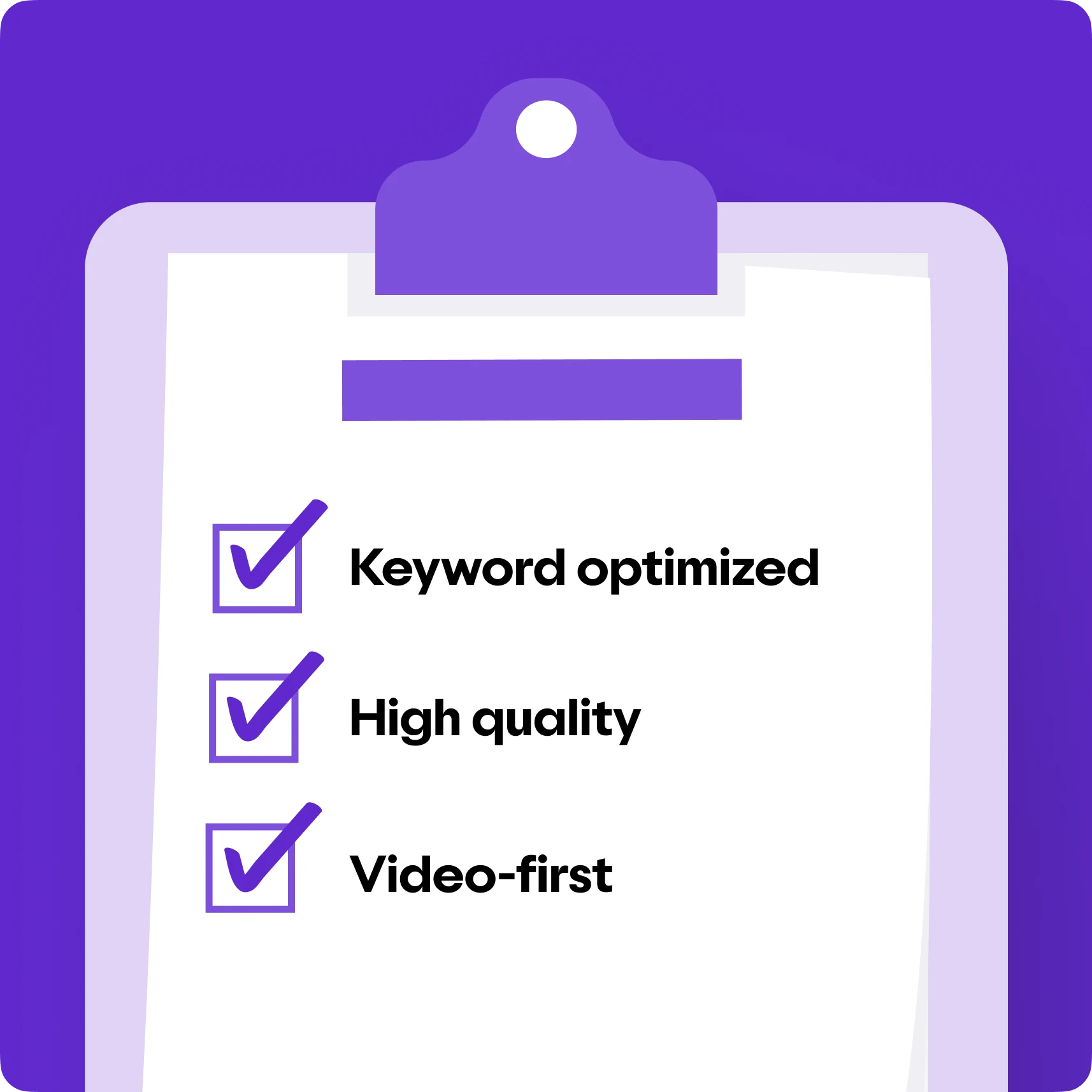
  • Posts on Instagram should not only be visually appealing, but also strategically equipped with keywords, alt text and structure.

  • Investing in high-quality, yet authentic creator content pays off twice: for social engagement and organic Google reach.

  • Video-first strategies are becoming particularly important. Reels, unboxings, tutorials and test reports provide posts that perform well on social media and also serve Google signals. Google is getting better and better at understanding and evaluating video content – especially in a mobile context.

Advantages & challenges

UGC has enormous potential for organic visibility – but as with any strategy, it is important to weigh up the opportunities and risks. The following aspects help companies to use UGC in a targeted and responsible manner for SEO:

Advantages

  • Authenticity & trust: UGC appears more credible than traditional advertising content and can therefore strengthen the trust of potential customers – an increasingly important ranking factor.

  • Keyword proximity to the target group: Users often use terms that also appear in real search queries – this improves organic findability.

  • Scalability: UGC can be produced quickly and in a variety of ways – often without a large budget.

  • Fresh content: Regular new UGC ensures that pages or profiles are continuously updated – something that Google also values positively.

Challenges

  • Quality control: Not every UGC video is high quality in terms of content or visuals. Without a briefing or content structure, a video could even be counterproductive.

    Legal issues: User-generated videos are subject to the same legal rules as corporate content – e.g. with regard to personal rights, advertising or data protection.

    Content relevance: Just because a reel generates a lot of engagement does not automatically mean that it is SEO-relevant. Structure, keywords and format must also be taken into account.

    Platform dependency: Visibility depends heavily on the rules of the platforms – changes such as the algorithm or indexing guidelines can influence the strategy.

Next Steps: Optimize your UGC for Google

In order for UGC to appear in Google search results, it must meet certain criteria:

1. Keyword-based captions

Use clear, search engine-relevant terms – preferably right at the beginning of the caption. Instead of ‘So delicious!’, try: ‘Vegan bakery in Berlin – handmade cinnamon rolls made from sourdough’.

2. Meaningful alt text

Instagram offers the option of adding alternative text to images. Make use of this: e.g. ‘Hand-poured scented candle made from soy wax on wooden shelf’ instead of empty alt text.

3. Meaningful file names

Even before uploading, a descriptive file name can help make the image visible on Google. Instead of ‘IMG_4421.jpg’, use ‘vegan_cake_berlin_bakingrecipe.jpg’.

4. Local relevance with geotags & hashtags

Hashtags and location tags make a difference, especially for local content – e.g. #berlinfoodie or #colognemode.

Conclusion: UGC will elevate your SEO game

The Instagram-Google update marks a turning point: social content is now relevant not only for interaction, but also for visibility in Google searches. Companies that already rely on user-generated content have a clear advantage – provided they think about SEO from the outset.

Video formats such as reels or tutorials offer enormous potential: they talk about real experiences, bring dynamism to communication and can be optimised for Google at the same time.

At Speekly, you get UGC that not only converts but is also found organically. Whether product demo, testimonial or how-to – our videos work across platforms and adapt to new requirements.

FAQ – UGC & SEO