Get started

Social Selling: Networking, building trust, start selling

Selling without being annoying? Sounds too good to be true – but that's exactly what social selling makes possible. Instead of cold calling, you focus on content, community and communication. In this guide, we'll show you how to use social selling to digitise your sales strategy, build trust and win customers on social media.

What is social selling? Social media platforms for social selling Strategies for successful social selling Examples for social selling campaigns KPIs & measuring success Do's & dont's of social selling Conclusion

What is social selling?

Social selling describes the modern approach of connecting with potential customers via social networks – personally, authentically and on equal terms. In contrast to traditional push sales, this approach is not about ‘hard selling’ but about relationships, relevance and genuine added value.

Instead of pitching products, you share helpful content, build trust and position yourself or your company as an expert. This creates an organic relationship – the basis for long-term customer loyalty and sustainable sales success.

💡 Tip: Want suitable video content for your social selling strategy? Then get UGC videos with Speekly now!

The most important platforms for social selling

LinkedIn – the hotspot for B2B

LinkedIn is the go-to platform for social selling in the B2B segment. Here, you can network with decision-makers, share insights and demonstrate your expertise with relevant content. Whether white papers, industry trends or personal testimonials – LinkedIn thrives on content with added value.

TikTok, Facebook & Instagram – creative formats for B2C

  • TikTok brings a breath of fresh air to social selling: with short, creative clips, you can reach a young target group – perfect for brands that want to stand out.

  • Instagram scores with visual storytelling power – ideal for products, personal branding and community building.

  • Facebook continues to offer strong reach, especially in the local or B2C environment – particularly through targeted group interactions and ads.

Each platform has its own dynamics – find out where your target audience is active and adapt your strategy accordingly.

The most important strategies for social selling

Tools & technologies for your social selling strategy

Whether CRM systems, social media management tools or analytics tools – technological aids help you to organise your activities and make them measurable.

Examples:

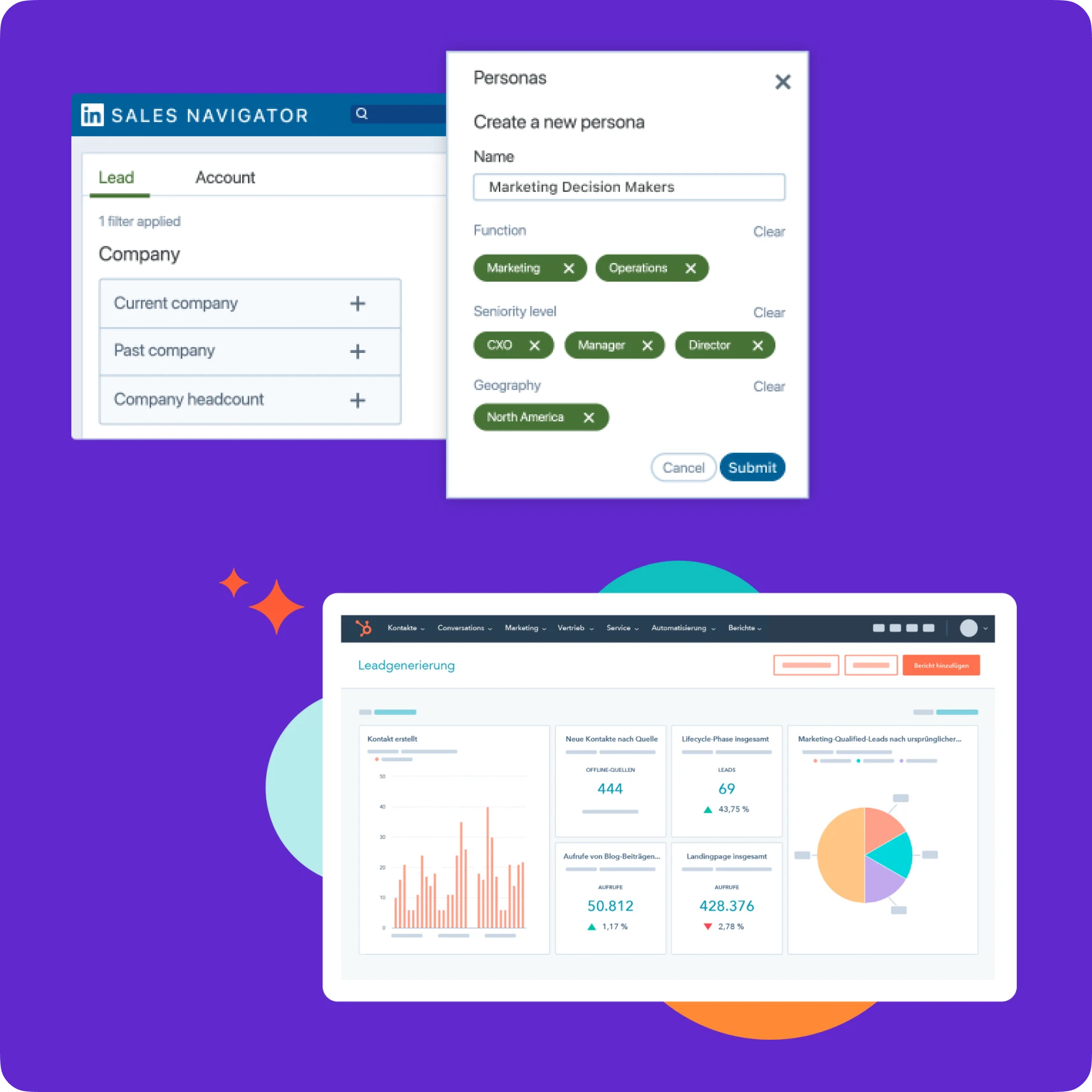
  • LinkedIn Sales Navigator for a more targeted contacting approach

  • HubSpot or Pipedrive as your CRM and Lead maintenance tool

  • Hootsuite, Buffer or Later as your planning & evaluation tool

Examples for successful social selling

HubSpot: Thought leadership on LinkedIn

With regular B2B content, personal interactions and strong community engagement, HubSpot has established itself as a pioneer in social selling – with measurable success in leads and conversions.

Adobe: Creativity as a story

Adobe uses Instagram Stories to tell the stories of the people behind the designs – not product sales, but emotional brand experiences. The result: stronger community loyalty and rising sales figures.

Dell: Smart customer service via Twitter

Dell relied on automated chatbots for immediate assistance via Twitter. The fast response time, coupled with humanity in communication, ensured higher customer satisfaction and greater visibility.

KPIs and measuring success of social selling

Only those who measure can optimise. The most important KPIs include:

  • Reach & engagement (likes, comments, shares)

  • Number of qualified contacts/leads

  • Interaction rates and dialogue quality

  • Conversions (e.g. downloads, enquiries, purchases)

Use tools such as Google Analytics, LinkedIn Insights or platform-specific dashboards to keep track of things.

Tips for a long lasting success of social selling

👍🏼 Do's:

  • Build genuine relationships instead of superficial contacts

  • Post regularly and use content formats that suit your target audience

  • Listen actively and respond to comments or messages

  • Personalise your approach

Use social proof and creator content, e.g. via Speekly.

❌ Don'ts:

  • Avoid pure push marketing

  • No standard messages without added value

  • Don't ignore feedback

  • Ensure a professional, consistent appearance

Don't neglect regular analysis and optimisation

Conclusion

Social selling is more than just a trend – it is the logical response to new purchasing behaviour. If you want to inspire customers rather than convince them, you need a strategy that focuses on connection rather than pressure.

With the right combination of platform expertise, value-added content and strong community ties, social selling can be a game changer in your sales strategy.

Ready to begin your social selling journey?

Then get started now – with authentic content and powerful tools like Speekly at your side!