Get started

Social Commerce – your guide to making more revenue with social media

Social commerce is much more than just a new marketing trend – it is a holistic approach to reaching target groups directly in their everyday digital world and triggering real purchasing decisions there. We explain how you can achieve this!

What is Social Commerce? Advantages of Social Commerce Social Commerce Formats Challenges of Social Commerce How to Start Your Social Commerce Examples of Social Commerce UGC for Social Commerce The Future of Social Commerce Conclusion

What is social commerce?

Social commerce combines the world of social media with the advantages of online shopping. Users discover, evaluate and purchase products directly on platforms such as TikTok or Instagram – without having to leave them. This creates a seamless and enjoyable shopping experience.

👉 Examples: Shoppable posts on Instagram, TikTok Shop, Pinterest Product Pins.

What are its advantages for brands?

Social commerce offers more than just a new sales channel – it fundamentally changes how brands and customers interact with each other. From greater reach to deeper customer loyalty, social commerce is a real game changer:

Greater reach

Social media enables brands to become visible far beyond their existing followers. Through viral effects, targeted hashtag strategies and targeted ads, you can also reach users who were not previously familiar with your brand – often with just a single post.

Building trust through engagement

Customer opinions, reviews and UGC are more credible than the classic, rigid advertising messages of brands. Direct dialogue with the community – whether in comments, surveys or stories – creates closeness and a high degree of brand loyalty.

Faster purchasing decisions

Because social commerce integrates the entire purchasing process into the social media platform, purchasing decisions are often made spontaneously. Inspired by a creator or a recommendation, all it takes is a tap – and the purchase is complete without leaving the app.

Better data & insights

Every interaction leaves traces: clicks, shares, comments and purchases give you detailed information about the behaviour of your target group. This data can be used not only for performance analysis, but also for targeted optimisation of your strategy.

Lower advertising costs

Organic growth through good content, influencer collaborations and community recommendations can complement – or even replace – traditional paid campaigns. This saves budget without losing reach.

Higher customer loyalty

Brands that regularly appear in their target groups' feeds and encourage interaction remain present. Features such as direct messages, personalised content or live formats create a close, lasting relationship.

These are the most common social commerce formats you should know

Social commerce is versatile – and that's exactly what makes it so exciting. From inspiring live streams to cleverly embedded shopping options – here are the formats you should know about:

Social Shopping

Products can be tagged directly in posts, stories or reels. Users can purchase items in just a few steps – without leaving the platform. Ideal for impulse-driven purchases and visually appealing brands. TikTok recently launched just such a social shopping option with TikTok Shop.

Influencer Commerce

Influencers present products in an authentic way – whether in unboxing videos, tutorials or everyday life. Their personal connection to their community acts as a trust booster and increases the credibility of their recommendations.

Live Shopping

During a livestream, products are presented, demonstrated and offered for sale directly. The community can ask questions or vote – all in real time. This form of shopping is not only interactive, but also entertaining.

Community Commerce

Users exchange information about products in groups, comments or shared posts. These recommendations from like-minded people act like personal tips from friends and increase the willingness to buy new products.

Conversational Commerce

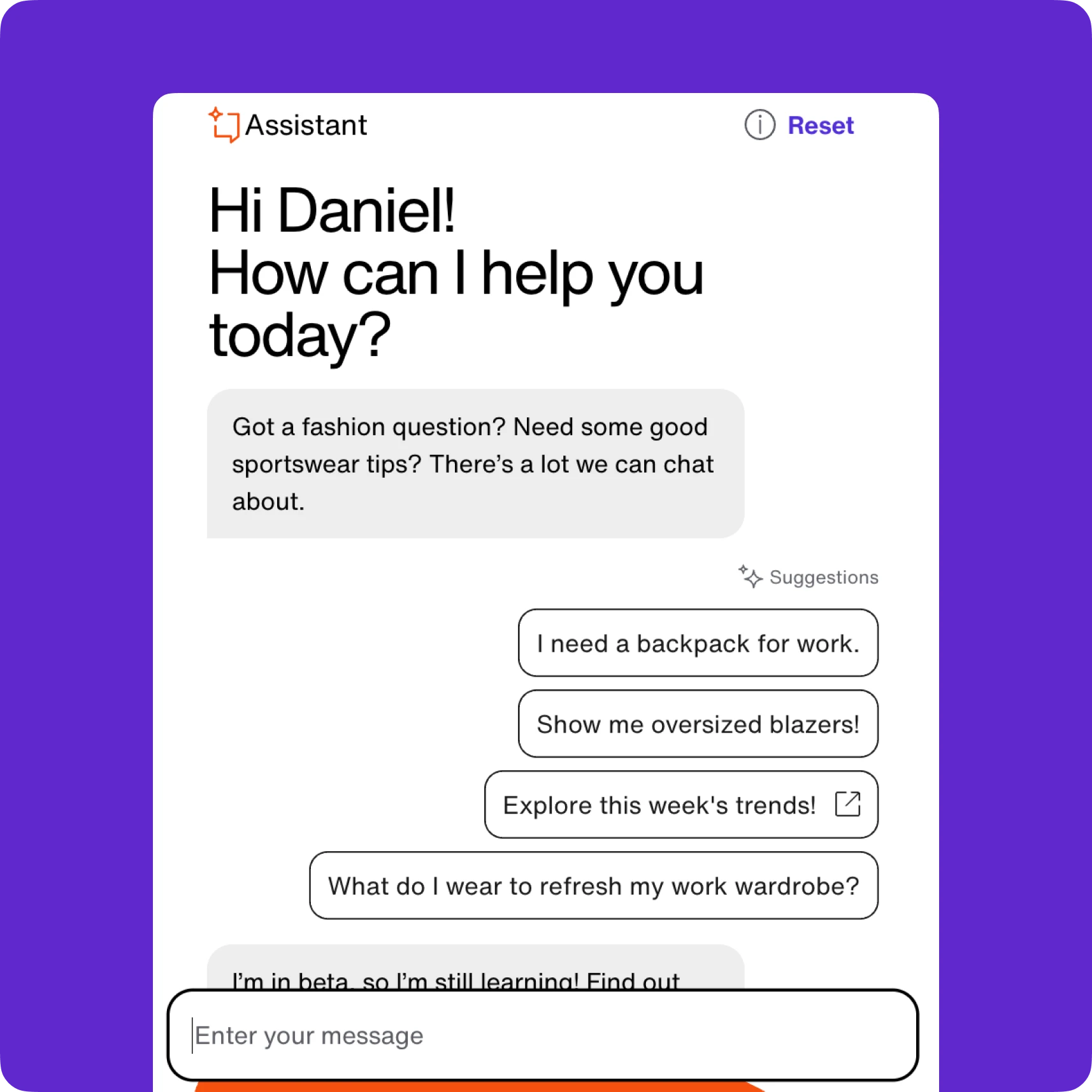
Whether via chatbot or direct message, interested parties receive quick help with questions or direct product recommendations. Personalised support via message creates a better shopping experience and saves customers a lot of time.

AR/VR Commerce

Augmented reality filters and virtual changing rooms make it possible to experience products digitally before purchasing them. This increases confidence in purchasing decisions and reduces returns, particularly in the fashion and furniture sectors.

Mini Apps & Tools

Super apps such as WeChat offer small, brand-specific functions. These enable shopping, advice or individual product recommendations – all directly within the familiar app environment of the users.

Challenges of Social Commerce

As promising as social commerce is, it does come with some hurdles. But if you know these stumbling blocks in advance, you can strategically avoid them from the start:

Data protection & GDPR

Transparent, secure data usage is mandatory. The collection and processing of personal data must comply with applicable data protection regulations – otherwise, you risk not only penalties, but also a loss of trust in your brand.

⚠️ Avoid fake reviews

Consumers place great value on authentic feedback. Brands should ensure that reviews are genuine and that sponsored content is clearly labelled so as not to jeopardise trust in your reviews.

🔄 Platform changes

The algorithms and features of social networks are constantly changing. Those who engage in social commerce must remain flexible and regularly adapt their content to stay visible and relevant.

How to begin your social commerce campaign

Getting started doesn't have to be complicated. With a clear strategy and an eye for the right channels and formats, you can lay the foundation for sustainable social commerce success:

  1. Target group analysis – Who is your target group, where do they hang out, and how do they prefer to shop?

  2. Platform selection – TikTok for entertainment, Instagram for lifestyle, LinkedIn for B2B, etc.

  3. Content production – Videos, reels, live streams or UGC – the main thing is that it is relevant and appealing.

  4. Encourage interaction – Comment functions, surveys, challenges.

Successful examples of social commerce

Practice beats theory – that's why it's worth taking a look at brands that are already successfully using social commerce.

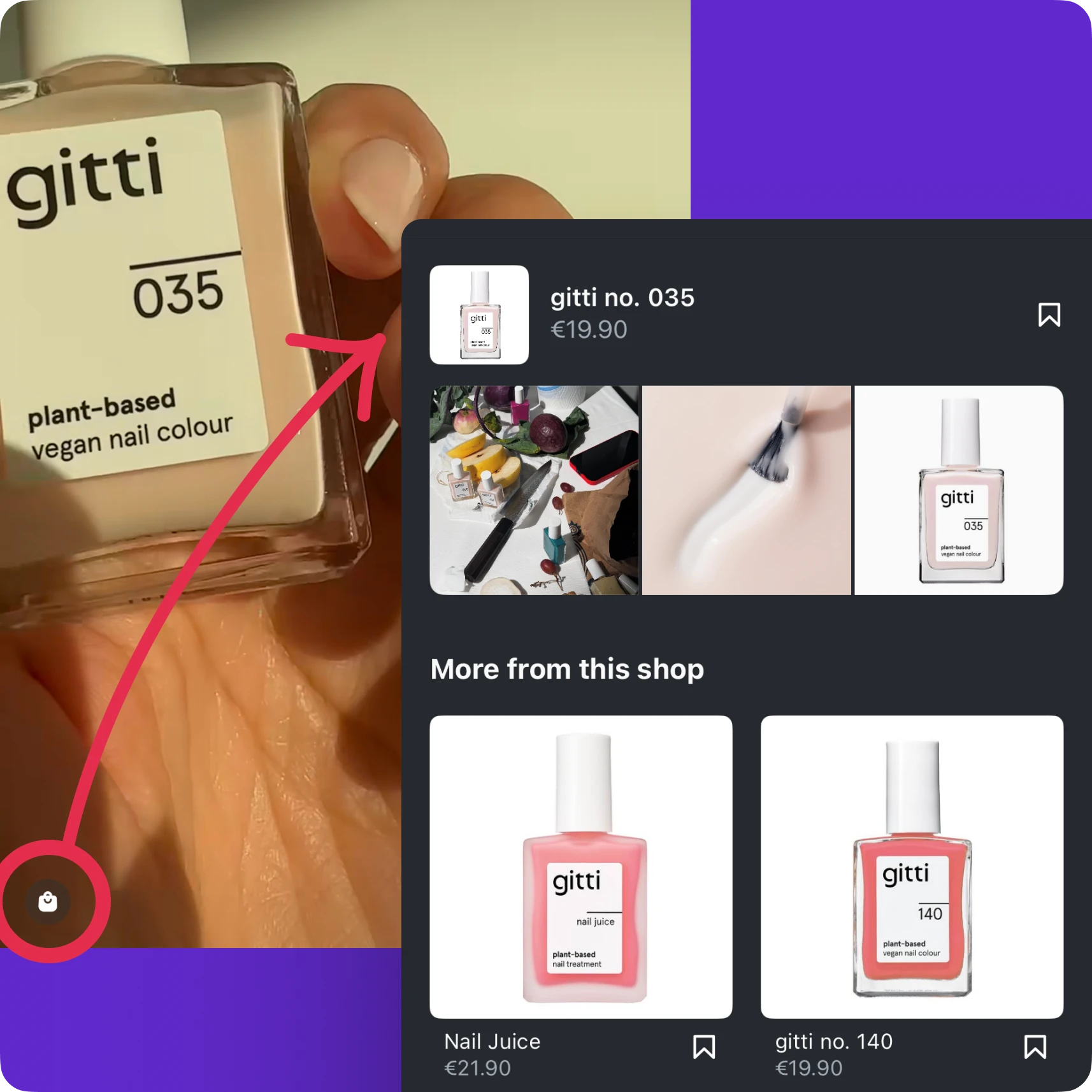
The beauty brand Gitti uses Instagram Shopping to process purchases directly in the app. To do this, they have added product tags to individual posts.

In addition to its typical sales channels, clothing brand Nike is focusing on AR sneaker try-ons via Snapchat. Here, customers can virtually personalise a sneaker and even see it on their own feet.

Douglas is focusing on live video shopping to offer customers interactive shopping experiences and show products in action.

Using UGC as part of your social commerce strategy

User-generated content (UGC) is one of the most powerful tools in modern marketing – and its potential is particularly high in social commerce. After all, what convinces people most are the real experiences of others. UGC brings precisely this perspective to your product communication: authentic, emotional and effective.

Why does UGC work in social commerce?

UGC builds trust because it doesn't come from the brand itself, but from real people. Reviews, testimonials, unboxing videos, and how-to videos create social proof that positively influences purchasing decisions. Customers see themselves reflected in others, which builds rapport and lowers barriers to first-time purchases.

How do I use UGC correctly in social commerce?

Users need incentives to create content – whether through targeted challenges, competitions or visible appreciation in the form of reposts and mentions.

Using a memorable hashtag can also help to collect content and make it visible. It is important that you make sharing easy and actively encourage it – ideally immediately after a purchase or a positive shopping experience.

Scaling UGC in social commerce:

Not every customer will post high-quality content on their own initiative. This is where so-called UGC creators come into play. They produce videos specifically for brands – but appear just as authentic as real customers. Speekly offers a scalable solution here: you order individual UGC videos tailored to your brand from experienced creators, which you can use flexibly for ads, websites or social media. Unlike traditional influencer campaigns, Speekly focuses not on the person, but on the context and the product. This is ideal for performance-oriented brands that want to integrate social proof into the sales process in a targeted manner.

Whether you're just starting out or want to scale your content volume, UGC is the fuel for your social commerce strategy – and with Speekly, you can quickly find the right creators!

The future of social commerce

What sounds innovative today may be standard practice tomorrow – social commerce is developing at a rapid pace. The following developments will have a decisive impact in the coming years:

🚀 Artificial intelligence (AI)

AI will play a key role – for example, in the automated delivery of personalised content or the real-time analysis of user data. This allows product recommendations, offers and customer journeys to be tailored to individual needs.

🛒 AR/VR & immersive shopping experiences

Augmented reality (AR) and virtual reality (VR) create interactive environments in which users can experience products in a realistic way – whether it's trying on clothes virtually or setting up a digital living room.

📡 Live shopping as the new standard

What is currently happening sporadically will soon become routine: Live shopping events offer a dynamic mix of entertainment, community and direct conversion. This is where content and commerce meet.

🌱 Transparency as a competitive advantage

Consumers are increasingly questioning where products come from, how they were produced and what values a brand represents. Brands that communicate openly and credibly strengthen customer trust in their own brand in the long term.

💳 Advanced payment methods

Social media platforms are integrating new payment technologies such as cryptocurrencies and one-click purchases directly into their feeds. The smoother the checkout process, the higher the conversion rate.

📱 Cross-platform shopping experiences

The future lies not in a single platform, but in the seamless interaction of multiple channels. Users expect a consistent customer journey – whether on TikTok, Instagram or in their own shop.

🎯 Data-driven & predictive commerce

The more data is collected, the better predictions can be made – for example, when a customer is particularly eager to buy or which product will be relevant next. Automation meets real relevance here.

In short: those who actively shape the future of social commerce are not only investing in new technologies – but also in a new type of relationship with their customers. Those who keep up with the trends can make their business growth sustainable in the long term.

Conclusion

Social commerce is not just hype – it is the new reality in online shopping. Those who invest early in new sales channels can build customer loyalty, increase sales and clearly stand out from the competition.