Get started

Reaching Generation Z with Marketing

Generation Z is the first fully digital generation: they grew up on the internet and are hard to reach through conventional marketing methods. They think differently – authentically, value-driven and self-determined. Reaching this influential audience takes more than standard advertising. In this article, discover the best strategies for successful Gen Z marketing.

5 Gen Z Key-Facts Characteristics of Generation Z Gen Z Marketing: 8 Strategies & Success Factors UGC for Effective Gen Z Marketing 6 Examples & Best Practices for Successful Gen Z Campaigns Gen Z: Connected & Self-Determined FAQs – Gen Z in Marketing

5 Key Facts About Gen Z Marketing

Tech savviness: Generation Z (or Gen Z) grew up with technology and uses it to communicate, find information and solve problems – make sure Gen Z actually engages with your chosen platform.

Diversity and inclusion: Gen Z places great importance on diversity, social justice and actively engages in these areas. Ensure these values are authentically reflected in your marketing strategy.

Pragmatism: Due to economic uncertainty and political instability, Gen Z tends to think pragmatically and is often drawn to practical skills. You can use this mindset to your advantage – particularly in how you communicate as a brand.

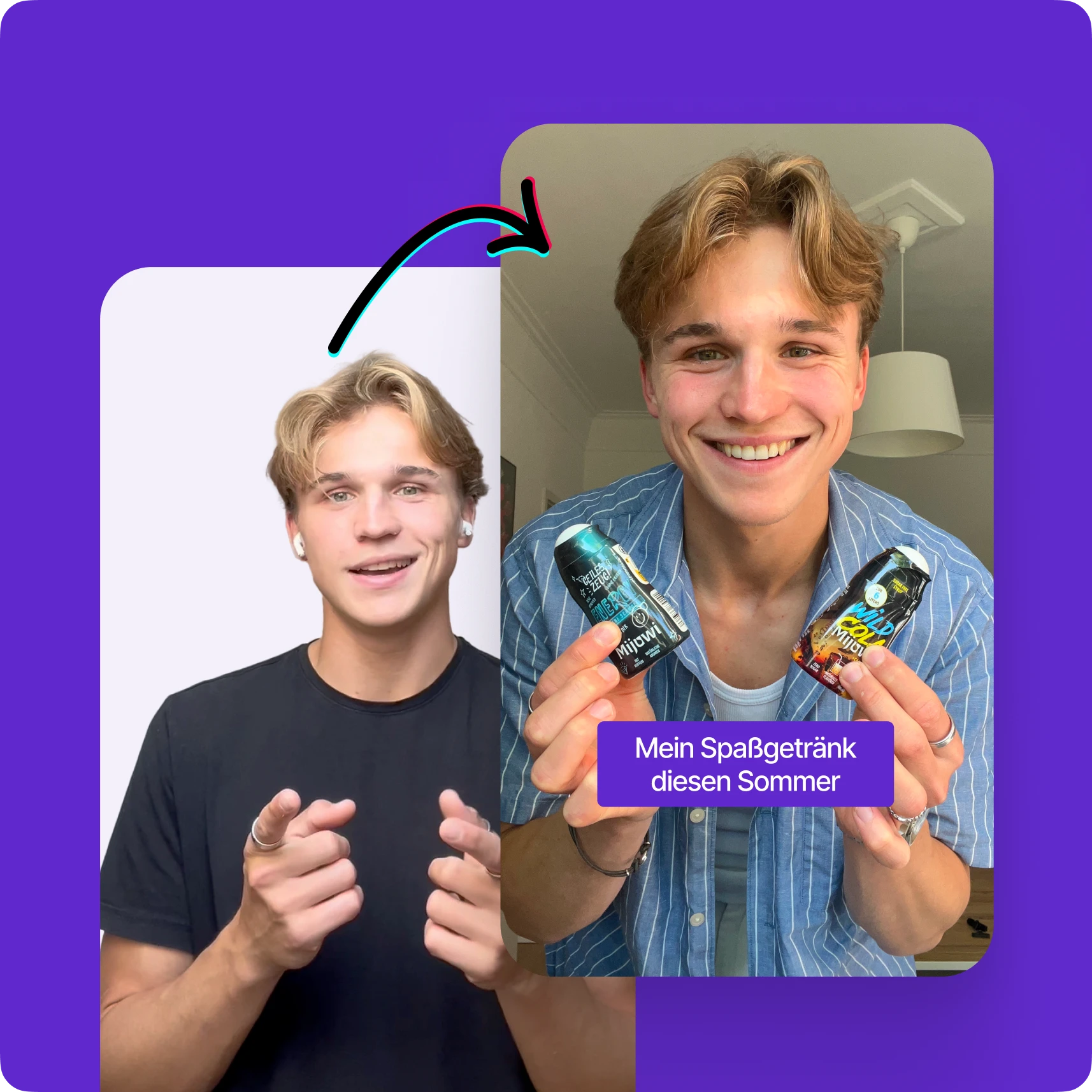
Short attention spans: Content needs to be highly concise, to the point and quick to consume, as Gen Z tends towards shorter attention spans.

User Generated Content (UGC): UGC is particularly effective here, as Gen Z trusts authentic posts and peer recommendations far more than traditional brand messaging.

Characteristics of Generation Z

People in Generation Z were born between the late 1990s and 2010 and today make up around 27% of the global population. In marketing, the following characteristics are especially relevant.

Tech savviness

Gen Z grew up with technology and is highly digitally literate. Smartphones, social media, influencers and the internet are everyday fixtures in their lives. They use technology not just to communicate, but also to find information, express creativity and solve problems.

Multitasking

Generation Z is accustomed to handling multiple tasks simultaneously. Their constant connectivity means they are able to process different information and activities at the same time – though this can also mean their capacity for sustained focus is sometimes limited.

Diversity & Inclusion

Gen Z places great importance on diversity and inclusion. They are open to different cultures, ethnicities, gender identities and sexual orientations. Equality and social justice are causes they care deeply about, and they often actively engage in these areas.

Activism

This generation is politically and socially engaged. They champion causes such as environmental protection, climate change (Fridays for Future), social justice and human rights. They use their voices and social media platforms to draw attention to injustice and drive positive change.

Pragmatism

Gen Z has grown up in a period of economic uncertainty and political instability. This has led them to think pragmatically and realistically. They are interested in learning practical skills that will help them succeed in an uncertain world.

Fast-paced consumption

Often called the first "nanosecond generation," their attention spans are considered very short. Gen Z consumes content in fragments, yet is capable of taking in more information in a shorter time.

Purchasing power

This young audience holds enormous global purchasing power – estimated at 200 billion US dollars in the US alone. By 2025 at the latest, they are expected to account for around 30% of gross income, making them the largest buying generation.

Gen Z Marketing: 8 Strategies & Success Factors

There are several approaches you can take to better engage Gen Z with your marketing.

  • Interactive & immersive content: Gen Z prefers interactive and immersive content that actively involves them. Static advertising often isn't enough to capture their attention. Interactive videos featuring augmented reality (AR) or virtual reality (VR) can create a more intense brand experience.

  • Social media & influencer marketing: Gen Z is highly active on social media and follows influencers who inspire them through emotion and storytelling. A presence on platforms such as Instagram, Snapchat, TikTok and YouTube is essential for reaching this audience. Collaborating with relevant influencers can help you convey authenticity and credibility.

  • Short & punchy messaging: This generation has a shorter attention span and gravitates towards fast, concise information. Keep your messaging clear and direct to capture their interest. A variety of creatives and visual elements such as images and videos can help maintain attention.

  • Values-based marketing: Gen Z is strongly guided by its values and supports brands that take a stand on social and environmental issues. Sustainability, social justice and diversity are important to them. Brands that genuinely embody these values and take active steps to drive positive change can make a strong impression on Gen Z.

  • Authenticity as the key to success: Authenticity has become a decisive factor in the success of marketing campaigns. Gen Z values genuine, authentic brands that live their values and communicate transparently. Brands that tell real stories and build genuine connections with their audience can earn the trust and loyalty of Gen Z.

  • Personalisation & individualisation: Gen Z values individuality and wants to be seen as unique. Tailored, personalised content and offers are effective ways to capture their attention. Brands should make the effort to understand Gen Z's needs and preferences, and deliver individual experiences.

  • User Generated Content (UGC): One of the most powerful levers available. Gen Z trusts content from influencers, content creators and peers far more than official brand messaging. Incorporate UGC, testimonials, tutorials and product showcases into your campaigns and channels.

  • Data privacy concerns & brand trust: Data privacy matters greatly to Gen Z. This audience is particularly sensitive about the protection of their personal data and expects transparency from the brands they engage with. Companies that communicate their data privacy policies clearly and implement robust security measures can earn and retain the trust of Gen Z over the long term.

Let your audience create content for you!

From your audience, for your audience. Use our creator community to produce content that converts.

Get started now

UGC for Effective Gen Z Marketing

User Generated Content is highly effective in social media marketing for building trust and interest among Gen Z. 93% of this generation are sceptical of marketing messages, yet place great value on authenticity and peer recommendations.

Video formats in particular – such as UGC testimonials, reviews, product showcases and tutorials – enjoy strong engagement. Rather than intrusive advertising, Gen Z encounters relevant, trustworthy content from within their community, developing a much stronger connection to the brand and its products.

Proactively launch campaigns and initiatives to generate UGC, and feature this content prominently across all marketing channels including your website, social media, mobile ads and in-store. This delivers a high degree of credibility and involvement among the Gen Z audience.

6 Examples & Best Practices for Successful Gen Z Campaigns

Nike

Nike has developed a successful marketing strategy to reach Generation Z by focusing on social issues such as inclusion, diversity and social justice. The brand has launched campaigns championing these values and amplifying the voices of young people to drive positive change. One example is the "Dream Crazy" campaign featuring Colin Kaepernick, which advocated for social justice and equality and resonated strongly with Generation Z.

About You

About You is a German e-commerce company specialising in fashion and lifestyle. The brand has developed a targeted strategy to reach Gen Z through influencer marketing and UGC. About You works with influencers who have strong reach and loyal communities, and encourages customers to post their own looks on the platform.

Netflix

Netflix has developed a targeted strategy to reach Gen Z by producing content perfectly tailored to the interests and preferences of this audience. The brand invests in original programming that is diverse, inclusive and relevant to younger viewers, and uses personalised recommendations and interactive features to boost Gen Z engagement on its platform.

Flixbus

Flixbus is a German long-distance coach company that has developed an innovative marketing strategy to reach Generation Z. The brand uses social media and viral marketing to promote its services and capture the attention of a young audience. Flixbus leverages humorous and creative content to stand out from competitors and spark interest among Gen Z. It also offers attractive pricing and a user-friendly online booking platform to meet the needs of young, cost-conscious consumers.

@flixbus Cleorrrrr naurrr #FlixBus #minibus #H2O #H2OJustAddWater #NoOrdinaryGirl #Cleor #Mermaid ♬ H2ojustaddwater - yeee

Adidas

Adidas has successfully implemented strategies to reach Generation Z by focusing on innovative technology and creative design. The brand has collaborated with well-known influencers including Kylie Jenner and Pharrell Williams to position its products with younger audiences. Adidas also invests in interactive experiences and events to build engagement and loyalty among Generation Z.

Gen Z: Connected & Self-Determined

This new generation is shaping the future of the digital economy in a significant way. As a "phygital" generation, they seek constant exchange between the physical and digital worlds – and expect exactly that from brands: connectivity rather than isolated channels, interactivity rather than one-way communication. Viral UGC content is becoming a key driver of success.

Gen Z is just the beginning. Anyone who wants to market successfully over the long term needs to understand how different generations differ in their purchasing behaviour, values and media consumption – and adapt their strategy accordingly. Find everything on the topic of Generational Marketing here.

FAQs – Gen Z in Marketing